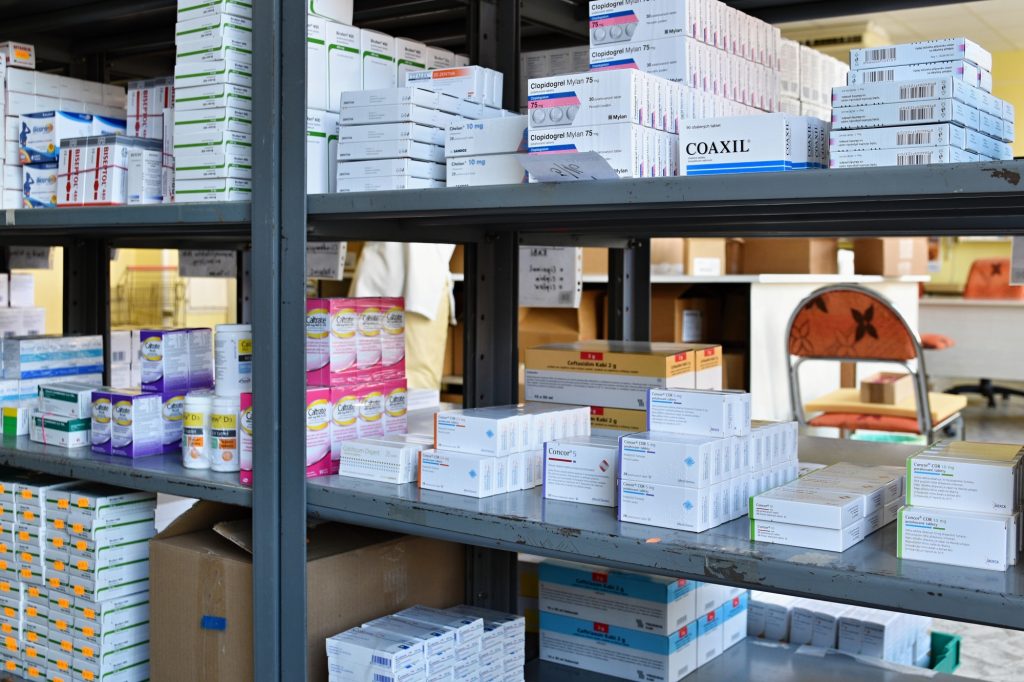
In the bustling hospitals of Nepal, the role of a pharmacist is evolving. For too long, the pharmacy has been seen as a simple transaction point—a place where a prescription is exchanged for medicine. However, the modern hospital pharmacist is much more than a dispenser. They are a vital part of the healthcare team, and their shift from a sales-centric role to a patient-centered one is transforming health outcomes across the country.
This shift is driven by a new understanding of what it means to provide comprehensive care. It’s about more than just medicine availability; it’s about ensuring that every patient receives the right medication, in the right dose, at the right time—safely and effectively.
The Rise of the Clinical Pharmacist in Nepal
The concept of a clinical pharmacist is gaining momentum in Nepal, and for good reason. Unlike traditional dispensing roles, clinical pharmacists are integrated directly into patient care. They work alongside doctors and nurses on hospital wards, reviewing medical records, participating in patient rounds, and making expert recommendations on medication therapy.
This specialized role is critical in addressing complex medication challenges that are common in modern healthcare.
Tackling the Threat of Antimicrobial Resistance (AMR)
One of the most pressing public health crises is Antimicrobial Resistance (AMR). In Nepal, as in many parts of the world, the misuse and overuse of antibiotics are accelerating this threat. Hospital pharmacists are on the front lines of this battle.
- Antimicrobial Stewardship: Clinical pharmacists are key to implementing and managing antimicrobial stewardship programs in hospitals. They analyze prescription patterns, ensure antibiotics are used only when necessary, and recommend narrow-spectrum alternatives to help preserve the effectiveness of these life-saving drugs.
- Education and Awareness: Through close collaboration with doctors and nurses, pharmacists educate the entire healthcare team on the latest guidelines for antibiotic use, helping to create a culture of responsible prescribing.
A Shield Against Drug-Drug Interactions
As patients often suffer from multiple conditions, polypharmacy (the use of multiple medications) is a common occurrence. This significantly increases the risk of dangerous drug-drug interactions. A hospital pharmacist’s in-depth knowledge of pharmacology makes them the ideal professional to identify and prevent these issues.
By meticulously reviewing each patient’s medication list, pharmacists can detect potential interactions before they cause harm. This critical work, often performed behind the scenes, safeguards patients from adverse drug events and ensures their treatment is both safe and effective.
Protecting Patients through Pharmacovigilance
Medication safety doesn’t end when a patient leaves the hospital. The science of pharmacovigilance—the monitoring of the effects of medical drugs after they have been licensed—is a crucial part of the hospital pharmacist’s role.
In Nepal, underreporting of Adverse Drug Reactions (ADRs) is a significant challenge. Hospital pharmacists are trained to recognize, document, and report these reactions to the Department of Drug Administration (DDA). By actively participating in this system, they contribute to a national database that helps identify safety issues and ultimately makes medicine safer for everyone.
The Future of Hospital Pharmacy in Nepal
The journey from a dispensing-focused model to one centered on patient care is underway, but challenges remain. From a lack of standardized salaries to inadequate infrastructure and non-existent counseling rooms, the professional environment for hospital pharmacists needs improvement.
The Pharmacy Association of Nepal (PhAN) is actively working to address these issues. We believe that by championing the rights and roles of our hospital pharmacists, we can elevate the standards of patient care throughout the country.
When you see a pharmacist in a hospital, remember they are there to do much more than hand you a bag of medicine. They are your professional resource for medication information, your advocate for safety, and a dedicated member of the team working tirelessly to ensure your health and well-being.