The Invisible Heroes Behind the Counter
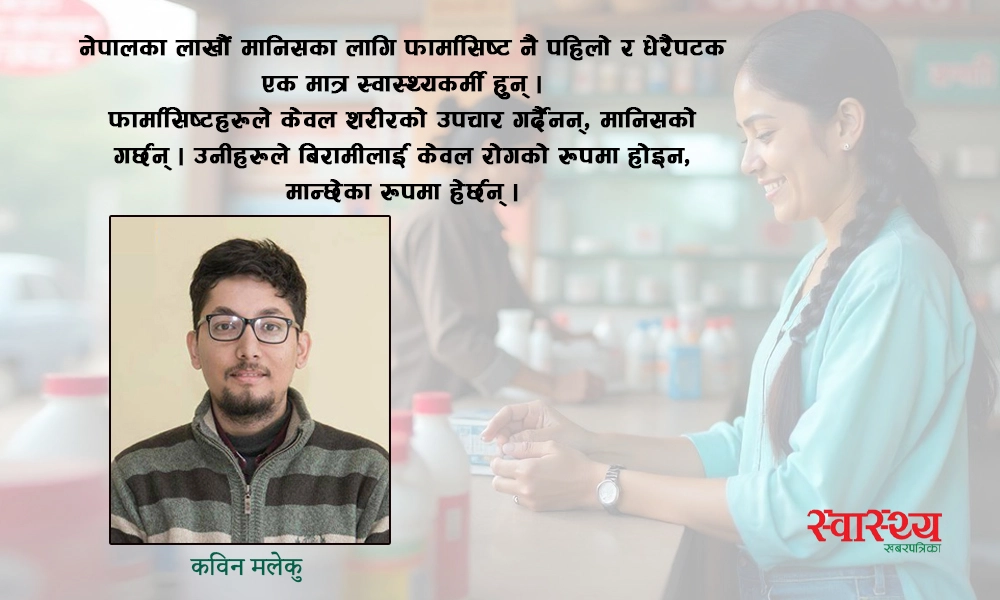
Kabin Maleku
Friday, 27 Asar 2082 (11 July 2025)
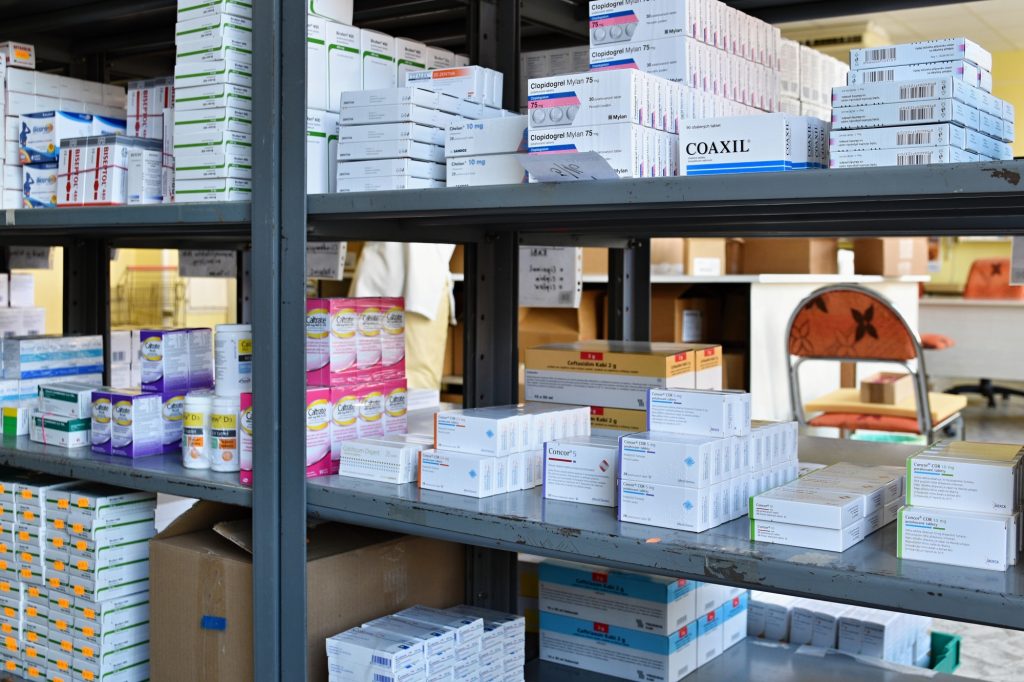
In the narrow alleys of the city, in the crowded markets of Kathmandu, and even in the small remote villages tucked away in the hills, you will find them. Behind the shutters that rise with the first rays of dawn, in tiny rooms surrounded by shelves of medicines, stand the men and women in white aprons — the community pharmacists.
We see them every day. Sometimes we go to ask for a single strip of paracetamol, sometimes to buy medicines for our ailing parents. Sometimes, we even bargain for a 10 percent discount on a strip of tablets worth just ten rupees. Yet, we rarely think about the hard work they put in. For most of us, they are simply “medicine sellers” or “shopkeepers.” But the reality is far deeper and far more meaningful.
For millions of Nepalese, the pharmacist is the first — and often the only — healthcare professional available. In places where doctors visit only once a week, or where health camps have never reached, the pharmacist is always there. Even in the big, crowded, and expensive hospitals of the cities, when illness strikes, people first turn to the pharmacy.
Some come with headaches and fevers, some with coughs that refuse to go away. Some arrive out of fear, wanting to check their blood pressure; others bring along prescriptions they do not understand. Because they know — the person behind the counter can explain not just the name of the medicine, but also its purpose, effects, and when not to take it.
They reassure worried mothers: “Will this fever in my child get better at home, or do we need to go to the hospital?” They comfort diabetic patients: “Don’t worry if you missed a dose.” They advise the elderly: “Why are you taking so many tablets? Please discuss with your doctor about reducing them.”
Sometimes they answer: “Is this skin rash normal or something more serious?”
Sometimes they guide: “Which doctor would be best for this condition?”
When a medicine is unavailable, they search for it. If not, they suggest suitable alternatives.
They do more than listen — they care. They measure blood pressure, check sugar levels, oxygen saturation, heart rate, and breathing rate. They teach asthma patients how to use inhalers and diabetics how to inject insulin. Sometimes they explain when hospital care becomes unavoidable. Inside those small, cramped pharmacies, they cover many gaps that the health system overlooks.
Pharmacists do not just treat the body — they care for the person. They see patients not merely as diseases but as human beings. Sometimes they notice a lonely old man struggling to sort his medicines, sometimes a grieving mother, sometimes a depressed young man. At times, their role extends to advising on diet, daily routine, or even family relationships.
And each time, they gently ask: “How are you feeling?”
During the COVID-19 pandemic, when hospitals were overwhelmed and fear gripped every corner, they never closed their shutters. They continued distributing masks, oxygen, and medicines. While large traders engaged in black-marketing, they sold a ten-rupee mask for ten rupees. Amid misinformation, they spread the truth — from how to stay safe at home to how to prevent infecting others. Many called patients at home daily, just to ask about their health.
But did we ever thank them? Did we ever honor their responsibility and skill? Did we ever recognize that they have made healthcare more accessible and safer for millions of Nepalis? Instead of gratitude, we bargained for discounts. They neither know how to bargain with the government, nor do they protest for their rights. From early dawn till late night, they simply continue serving patients. Be it Saturday or the festive seasons of Dashain and Tihar, their daily routine remains the same.
The truth is this: our healthcare system rests on these quiet and humble guardians. They reduce the burden on hospitals, cure minor illnesses at home, prevent chronic patients from deteriorating, and protect people from the misuse of medicines. And in a country like Nepal — where healthcare is still unequal and insufficient — they fill the critical gaps.Not in faraway hospitals, but right near your home, in your neighborhood, in that small shop by the roadside — behind the counter, they continue serving till late into the night.
And while doing all this, they expect no applause. All they seek is kindness and respect.
So, the next time you visit a pharmacy, notice the worried face listening to your concerns and the hands carefully sorting your medicines. That person is not merely selling drugs. They are safeguarding your health, your family’s well-being, and the foundation of our healthcare system.
They are the true heroes of our community. The silent guardians.
— (Kabin Maleku is the Secretary of the Pharmacy Association of Nepal.)