When we think of healthcare, our minds often go to doctors, nurses, and the patients they serve. We rarely consider the hidden dangers faced by the professionals behind the counter: the hospital pharmacists. Their job is not just to count pills and label bottles; it is a complex and demanding profession that, in the absence of proper safety protocols, can expose them to a range of serious occupational hazards.
A safe working environment is not a luxury—it is a fundamental human right. For hospital pharmacists in Nepal, ensuring this right is paramount not only for their own well-being but also for the integrity and quality of the healthcare system they support.
The Unseen Dangers of the Pharmacy Environment
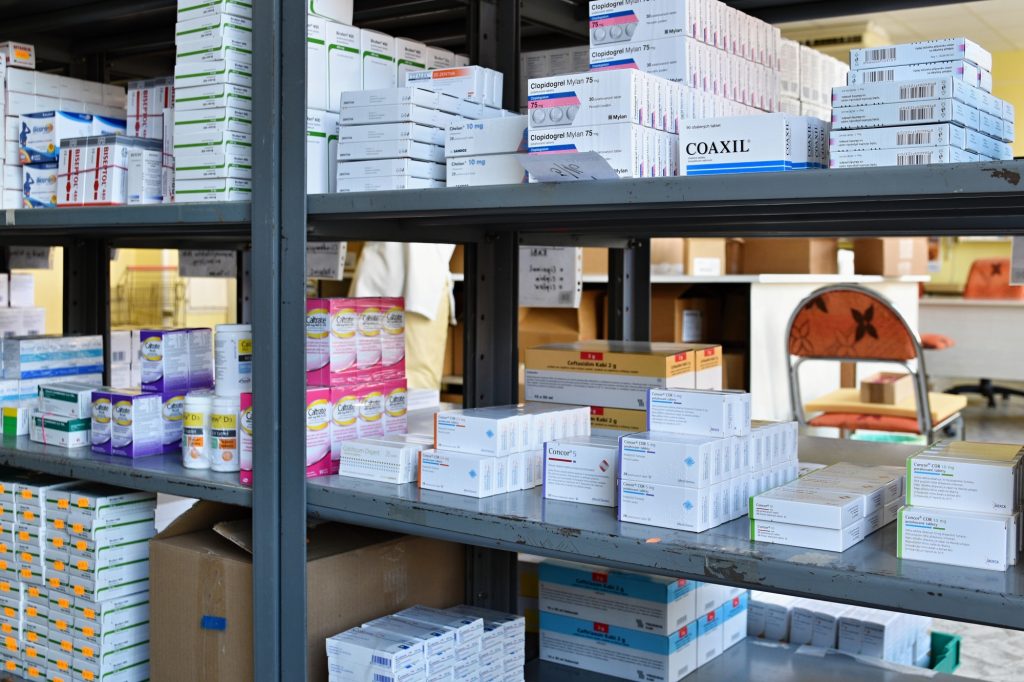
The hospital pharmacy, while a sterile and organized space, can harbor several unseen risks. Pharmacists and their staff are frequently exposed to a variety of hazards that can affect their long-term health:
- Chemical Exposure: From compounding medications to handling potent and hazardous drugs (like chemotherapy agents or certain antibiotics), pharmacists are at risk of exposure to chemical vapors, powders, and liquids. Without proper ventilation, personal protective equipment (PPE), and clear handling procedures, this exposure can lead to respiratory issues, skin reactions, and other serious health problems.
- Biological Hazards: As frontline healthcare workers, pharmacists are in direct contact with patients who may be carrying infectious diseases. Poor hygiene protocols, inadequate counseling spaces, and a lack of protective barriers can increase the risk of infectious disease transmission.
- Physical and Ergonomic Strain: The high-volume nature of many hospital pharmacies, as noted in the survey feedback, leads to long hours of standing, repetitive motion, and high-stress environments. This contributes to chronic issues like back pain, carpal tunnel syndrome, and mental health strain from constant pressure and high workload.
- Lack of Temperature Control: As highlighted by our members, many pharmacies lack basic air conditioning and proper temperature regulation. This not only compromises the stability and quality of the medicines but also creates an uncomfortable and potentially unhealthy working condition for the staff.
A Call for Action: PhAN’s Commitment to Safety
The Pharmacy Association of Nepal (PhAN) recognizes these issues as a critical crisis that must be addressed. We believe that protecting our members is a non-negotiable part of our mission. Our advocacy is focused on:
- Enforcing Safety Protocols: Lobbying for the strict implementation of national and international safety standards in all hospital pharmacies. This includes mandatory use of PPE, proper waste disposal guidelines for expired and hazardous drugs, and regular safety audits.
- Promoting a Culture of Well-being: Encouraging hospital administrations to view their pharmacy staff as a valuable asset, not a cost center. This means providing fair wages, managing workload effectively, and ensuring they have the tools and support to do their jobs safely.
- Legal and Regulatory Reform: Working with government bodies to ensure that Nepal’s labor and health laws are amended to specifically address the unique occupational hazards faced by pharmacy professionals.
Why a Safe Pharmacist is a Better Pharmacist
A safe working environment is not just an issue for pharmacists—it has a direct and significant impact on patient care. A pharmacist who is overworked, stressed, and worried about their own health cannot provide the focused attention and expert care that patients deserve.
By ensuring our pharmacists have a safe, well-managed, and respectful workplace, we empower them to fully dedicate their knowledge and skills to their patients. This leads to fewer medication errors, better counseling, and ultimately, a safer and healthier experience for everyone who walks through the hospital doors.
PhAN is committed to a future where every pharmacist can practice their profession with dignity, security, and pride, knowing their well-being is valued as much as the patients they tirelessly serve.